howmarketingagency.com

Uncategorized

Uncategorized

Why Every Business Needs a Website

Introduction:In today’s digital age, having a website is no longer optional — it’s essential. Whether you run a small business, a startup, or an established company, a website acts as your digital storefront and a 24/7 sales tool. Let’s explore why every business needs a website and how it can help you grow. 1️⃣ Build Credibility Customers trust businesses with professional websites. A well-designed website shows: Without a website, potential clients may doubt your credibility. 2️⃣ Reach a Wider Audience A website allows your business to be discovered by people worldwide. Unlike physical stores, your website is always open, helping: 3️⃣ Showcase Products and Services Your website is the perfect platform to display: This makes it easier for customers to understand your offerings and make informed decisions. 4️⃣ Generate Leads and Sales A website can be designed to attract leads through: It acts as a 24/7 sales tool that drives revenue. 5️⃣ Improve Marketing Efforts All marketing campaigns are more effective with a website. Examples: A website serves as the central hub where customers can learn more and take action. 6️⃣ Gain Customer Insights With analytics tools, a website helps you understand: These insights help improve business strategies and marketing efforts. 7️⃣ Stay Competitive Most competitors already have websites. Without one, you risk losing: A website ensures your business stays competitive in the digital marketplace. Conclusion:Having a website is no longer just a luxury — it’s a necessity. It builds credibility, expands your reach, generates leads, and strengthens your brand. Every business, big or small, benefits from a professional online presence.
Uncategorized

Branding Design Tips That Increase Sales

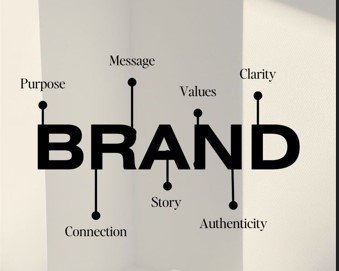
Introduction:Your brand is more than just a logo — it’s the perception people have about your business. A strong, consistent, and attractive brand design can directly influence customer decisions and boost sales. In this article, we’ll share actionable branding design tips that help your business stand out and grow revenue. 1️⃣ Keep Your Brand Consistent Consistency builds recognition and trust. Use the same: When customers see the same design elements everywhere, they instantly recognize your brand. 2️⃣ Focus on Your Logo Your logo is the face of your business. A professional, memorable logo can: Tip: Avoid overcomplicated logos — simplicity is key. 3️⃣ Choose the Right Color Palette Colors influence emotions and behavior: Use colors that reflect your brand’s personality and appeal to your target audience. 4️⃣ Typography Matters Fonts communicate your brand tone. Choose fonts that are: Mix 1–2 fonts maximum for a clean look. 5️⃣ Use High-Quality Visuals Poor-quality images or graphics reduce trust. Always use: Visuals help tell your brand story and increase engagement. 6️⃣ Design for Your Audience Your brand should resonate with your ideal customers: 7️⃣ Keep Your Branding Across All Platforms Your brand should be visible everywhere: A unified presence boosts recognition and credibility. 8️⃣ Test & Improve Branding isn’t static. Measure and tweak: Continuous improvement increases impact and sales. Conclusion:Strong branding is more than aesthetics — it’s a strategic tool that influences customer behavior. Follow these tips to create a cohesive, professional brand that builds trust, attracts customers, and increases sales.

Uncategorized

Paid Ads vs Organic Marketing – Which Is Better?

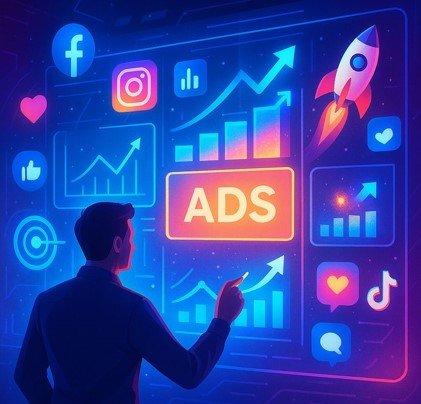
In today’s digital world, every business wants one thing — visibility. Whether you run a startup, agency, or local business, getting in front of the right audience is essential for growth. Two of the most powerful ways to achieve this are Paid Advertising and Organic Marketing. But the real question is:Which one is better for your business? Let’s break it down in simple terms so you can decide the right strategy for your goals. What Is Paid Advertising? Paid advertising is when you pay platforms to promote your business, products, or services to a targeted audience. These ads appear instantly and are shown to people based on demographics, interests, location, or search intent. Examples of Paid Marketing Key Advantage: Instant visibility and quick results. Paid ads are ideal for businesses that want fast traffic, quick leads, or immediate sales. What Is Organic Marketing? Organic marketing focuses on attracting visitors naturally without paying for ads. It involves creating valuable content and optimizing your online presence so people can find you through search engines, social media, or referrals. Examples of Organic Marketing Key Advantage: Long-term growth and credibility. Organic marketing takes time but builds trust, authority, and sustainable traffic. Paid Ads vs Organic Marketing – Key Differences Factor Paid Ads Organic Marketing Speed Instant results Slow but steady Cost Requires budget Mostly time investment Longevity Stops when budget ends Long-lasting results Trust Level Lower trust Higher trust Scalability Quick scaling Gradual growth When Paid Ads Are Better Paid advertising works best when: If speed is your priority, paid ads are the fastest way to get attention. When Organic Marketing Is Better Organic strategies are best when: Organic marketing is like planting a tree — it grows slowly but gives benefits for years. The Real Winner: Combination Strategy Many businesses make the mistake of choosing only one method. In reality, the best strategy is using both together. Here’s why: When combined, they create a powerful marketing system where short-term gains support long-term growth. Example Strategy Used by Successful Brand Smart businesses follow this approach: This creates a cycle where each method strengthens the other. Cost Comparison: Which Is More Affordable? Many people think organic marketing is free — but that’s not entirely true. It requires time, effort, strategy, and consistency. If you have money but little time → choose paid adsIf you have time but small budget → choose organic Common Mistake Businesses Make A lot of businesses run ads without building organic presence. This means once they stop paying, traffic disappears. Another mistake is relying only on organic marketing and expecting fast results. Organic growth takes patience. The smartest businesses balance both. Final Verdict — Which Is Better? There is no single winner because both serve different purposes. Paid Ads are better for speed.Organic Marketing is better for sustainability. 👉 The best approach is a hybrid strategy that combines both for maximum results. Conclusion If you want fast growth, immediate leads, and quick visibility, paid advertising is your best option. But if you want lasting authority, trust, and consistent traffic, organic marketing is the way to go. Businesses that truly succeed online don’t choose one — they strategically use both.

Scroll to Top